Category: Electrical Lighting services

High Mast and Sports Lighting: What Makes It Different from Standard Commercial Lighting

Lighting a football field or a massive industrial yard is nothing like lighting an office or retail space. While both fall under commercial electrical work, high mast and sports lighting systems are built for a completely different level of performance, durability, and precision.

At Stewart Electric Company, Inc., we have seen firsthand how these systems require careful planning, strong coordination, and experienced installation. For facilities across Huntsville and North Alabama, understanding these differences helps owners, contractors, and developers make smarter decisions from the beginning.

How Standard Commercial Lighting Typically Works

Most commercial lighting systems are designed for interior spaces or moderately sized exterior areas. Think about:

  • Office buildings
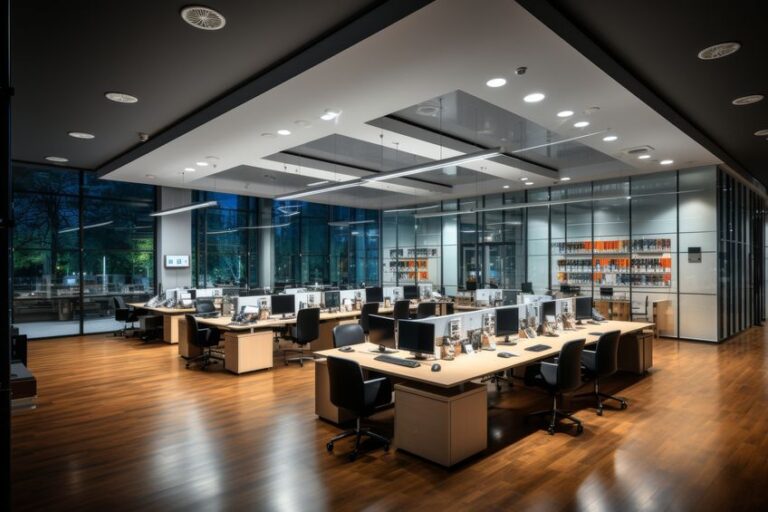
  • Retail stores
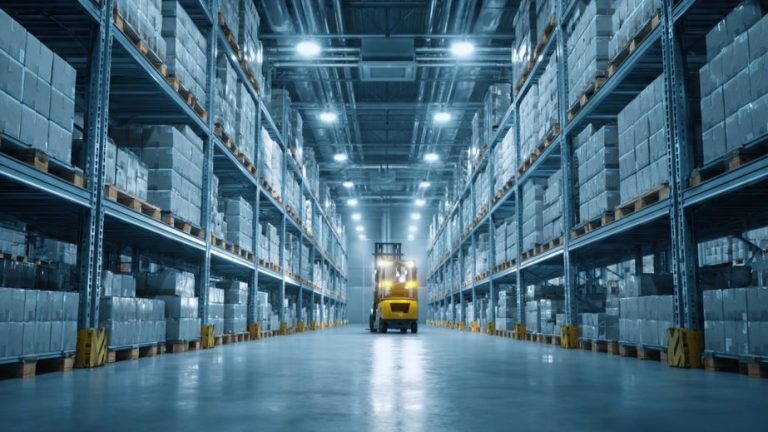
  • Warehouses
  • Schools
  • Parking lots

Fixtures are usually mounted at accessible heights. Electrical loads are predictable. Maintenance can be performed with standard lifts. The goal is balanced illumination, energy efficiency, and code compliance.

These systems are important, but they are relatively straightforward compared to high mast and sports lighting applications.

What Is High Mast Lighting?

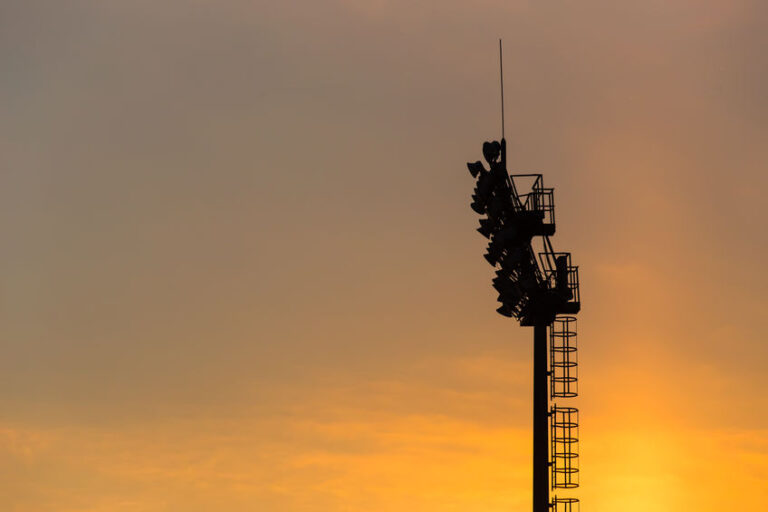
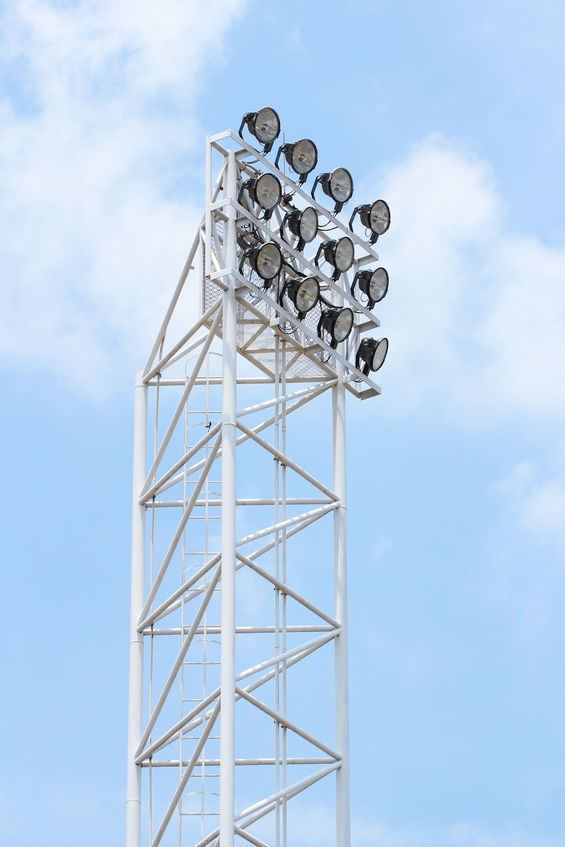
High mast lighting is designed to illuminate very large outdoor areas using tall poles that can reach 60 to 150 feet or more. You commonly see these systems at:

  • Major highway interchanges
  • Large distribution yards
  • Industrial plants
  • Airport facilities
  • Ports and shipping terminals
  • Correctional facilities

Instead of using many short poles, high mast lighting uses fewer poles placed much higher in the air. This approach creates broad, uniform coverage across wide areas.

What Makes High Mast Lighting Different?

  1. Pole Height and Structural Demands

These poles are not ordinary light poles. At 100 feet or more, they must be engineered to handle strong winds, storms, and long-term environmental stress. Foundations must be carefully designed based on soil conditions and wind load calculations.

A standard parking lot pole simply does not face the same structural requirements.

  1. Electrical Distribution and Load Planning

High mast lighting systems often involve higher wattage fixtures and longer conductor runs. Voltage drop becomes a serious consideration. Proper grounding and bonding are critical.

The electrical infrastructure supporting these systems must be designed for reliability, especially in industrial settings where lighting supports safety and operations.

  1. Maintenance Systems

Many high mast poles use a lowering system that allows fixtures to be serviced at ground level. Installing and testing these mechanisms requires precision and experience. If installed incorrectly, maintenance becomes difficult and potentially unsafe.

What Sets Sports Lighting Apart?

Sports lighting takes complexity even further. Athletic facilities demand lighting systems that perform under very specific standards. These systems are commonly installed at:

  • Football stadiums
  • Baseball and softball fields
  • Soccer complexes
  • Tennis courts
  • School athletic facilities

Unlike general outdoor lighting, sports lighting must provide consistent, high-quality illumination across a defined playing surface.

Key Differences in Sports Lighting

  1. Uniform Illumination

Athletes rely on even lighting across the entire field. Uneven brightness creates shadows and visibility problems that can affect performance and safety. Designers carefully aim and position fixtures to ensure consistent coverage.

  1. Glare Control

Glare is one of the biggest challenges in sports lighting. Players looking up to catch a ball cannot be blinded by improperly aimed fixtures. Advanced optics are used to focus light exactly where it is needed while minimizing glare.

  1. Higher Light Levels

Sports fields require much higher illumination levels than standard commercial spaces. If games are televised, lighting standards become even more demanding. These systems must meet strict performance requirements.

  1. Controlling Spill Light

Facilities must also consider surrounding neighborhoods and roadways. Poorly designed systems can spill light into adjacent properties. Proper aiming, shielding, and design planning help prevent this issue.

Environmental Factors in North Alabama

In Huntsville and throughout North Alabama, lighting systems must withstand local weather conditions. Severe storms, strong winds, and summer heat all affect performance and longevity.

Industrial facilities may also deal with vibration, dust, or corrosive environments. Choosing fixtures and materials suited for these conditions is essential for long-term reliability.

Power Infrastructure Considerations

High mast and sports lighting systems often tie into larger electrical systems within a facility. This can involve dedicated transformers, high voltage feeds, and surge protection.

Safety is always a priority. Proper arc flash analysis, grounding, and code compliance are critical during installation. These are not small-scale electrical jobs. They require a contractor who understands heavy duty commercial and industrial power systems.

The Role of Modern LED Technology

Today’s high mast and sports lighting systems typically rely on LED technology. Compared to older metal halide systems, LEDs provide:

  • Better energy efficiency
  • Instant on capability
  • Reduced maintenance
  • Improved light control
  • Longer lifespan

However, upgrading from older systems is not always simple. Electrical capacity, mounting hardware, and aiming angles must all be reviewed before retrofitting.

Coordination on Large Projects

High mast and sports lighting installations are usually part of larger construction or renovation projects. They may involve civil work, underground conduit installation, structural coordination, and tight construction schedules.

Close communication with general contractors, engineers, and project managers is essential. Proper planning prevents delays and costly adjustments later in the project.

Why Experience Makes the Difference

Installing tall poles and bright fixtures might sound straightforward, but these systems involve:

  • Structural awareness
  • Detailed load calculations
  • Code compliance expertise
  • Precision aiming and testing
  • Strong safety practices

Choosing an experienced commercial and industrial electrical contractor ensures that every component is installed correctly and built to last.

For facilities across North Alabama and Southern Middle Tennessee, high mast and sports lighting are long term investments in safety, visibility, and operational efficiency. When designed and installed properly, they provide reliable performance for decades.

If your project involves large scale outdoor lighting, partnering with a team that understands the technical and practical differences between standard commercial lighting and specialized systems will make all the difference. Contact Stewart Electric Company, Inc. at 256.536.4375 today or visit us online for more information!

Lighting Layout Mistakes That Reduce Workplace Productivity

Most people think of lighting as a basic building feature. Flip the switch and the lights come on. But in commercial and industrial environments, lighting design has a direct effect on how efficiently people work. When lighting layouts are planned poorly, employees experience fatigue, frustration, and slower performance without always realizing lighting is the cause.

In busy facilities across North Alabama, every minute of productivity matters. Whether the space is a manufacturing floor, warehouse, office, or government building, lighting must support the tasks being performed. When it does not, output declines and errors increase. Understanding where lighting layouts go wrong is the first step toward improving workplace performance.

Treating Every Space the Same

A common lighting mistake is assuming that one lighting layout works for an entire facility. Different areas have different visual demands. A packaging station needs focused illumination. A hallway needs general visibility. An office requires balanced light for screens and paperwork. When all these spaces share the same lighting approach, some areas end up too bright while others feel dim.

This imbalance forces workers to adjust constantly. They may strain to see details or feel uncomfortable under harsh brightness. Both situations slow work and cause unnecessary stress. A thoughtful lighting plan adapts to each workspace instead of applying a single solution everywhere.

Creating Shadows Where Work Happens

Lighting fixtures that are placed without considering workstation positioning often create shadows in the very areas where people need to see clearly. This is common in industrial settings where equipment placement changes over time, but lighting layouts remain unchanged.

Shadows make tasks take longer and increase the chance of mistakes. Workers may lean or shift positions to compensate, which leads to discomfort and distraction. Proper fixture placement prevents this by ensuring even illumination across work surfaces and machinery.

Producing Glare That Distracts Workers

Glare is another productivity drain that often goes unnoticed. Lights that are too bright or angled incorrectly can shine directly into a worker’s eyes or reflect off glossy surfaces. This causes discomfort and visual fatigue throughout the day.

When employees are constantly adjusting their posture or squinting to reduce glare, concentration drops. A professional lighting layout avoids glare by selecting proper fixture angles, diffusers, and mounting heights that keep light where it is needed.

Using Light Levels That Are Too Low

Many older facilities still operate under lighting standards that no longer match modern work demands. Detailed assembly tasks, digital interfaces, inspection stations, and inventory systems all require stronger and more precise lighting than in the past.

If illumination levels are too low, workers slow down to compensate. They may rely on handheld lights or take extra time to confirm what they see. Increasing light levels through an updated layout improves accuracy and reduces eye strain.

Overlooking Light Color and Clarity

Lighting is not only about brightness. Color temperature and color rendering affect how clearly people see objects and read information. Outdated lighting that produces dull or yellow toned light can make spaces feel tired and reduce visual clarity.

Modern LED lighting provides crisp clean light that helps workers stay alert and improves recognition of colors and markings. When lighting layouts ignore light quality, facilities miss an easy opportunity to boost focus and comfort.

Forgetting How Daylight Changes Space

Buildings with windows and skylights benefit from natural light but only when artificial lighting is designed to work alongside it. Without proper planning, daylight creates bright zones and dim zones that shift throughout the day.

This inconsistency distracts workers and causes glare on screens and reflective surfaces. Integrating daylight into lighting design creates steady illumination from morning to evening which keeps a workspace comfortable.

Skipping Lighting Controls

Another frequent oversight is installing lighting that cannot adapt to how the space is used. Areas may stay fully lit even when empty while occupied zones lack flexibility for different tasks or shifts.

Lighting controls allow facilities to adjust brightness based on occupancy and time of day. When lighting responds to real use patterns, energy costs drop, and employees benefit from consistent lighting conditions.

Letting Maintenance Fall Behind

Even the best lighting layout loses effectiveness if fixtures are dirty, aging, or burned out. Uneven lighting slowly develops, and workers adapt without realizing visibility has declined.

A good lighting plan includes maintenance strategy from the start. Long life fixtures, accessible installation, and regular inspection keep lighting performance steady over time.

Better Lighting Leads to Better Performance

Fixing lighting layout mistakes is not simply replacing bulbs. It involves understanding how people move, where tasks occur, and what visual conditions are required for safe and efficient work. When lighting supports employees instead of working against them, productivity rises naturally.

Stewart Electric Company, Inc. provides professional commercial and industrial lighting design for facilities across North Alabama and Southern Middle Tennessee. From warehouse layouts to office upgrades and specialty industrial lighting, the right plan makes every workspace more effective.

When lighting is designed with purpose, people work better without even thinking about the lights above them. Contact Stewart Electric Company, Inc. at 256.536.4375 today or visit us online for more information!

Lighting Upgrades for Commercial Spaces: Save Money and Improve Productivity

If you manage or own a commercial property, you know how quickly operating costs can add up. But there’s one area that’s often overlooked—and it could be costing you more than you think: your lighting.

At Stewart Electric Company, Inc., we’ve helped countless businesses across North Alabama and Southern-Middle Tennessee modernize their lighting systems. Why? Because it’s one of the simplest, most cost-effective ways to boost efficiency and improve the environment your employees and customers experience every day.

The Problem with Outdated Lighting

If your facility still uses older fluorescent tubes or incandescent bulbs, you’re probably spending more on energy and maintenance than necessary. These fixtures are not only inefficient, but they also burn out faster and often don’t provide the quality of light modern commercial spaces need.

Dim lighting, flickering, or uneven coverage can make a space feel dated—and worse, it can affect how people work and interact in that environment.

Why LED Lighting Is a Smart Investment

Switching to LED isn’t just about saving electricity—it’s about upgrading your entire facility. LEDs are:

  • Up to 70% more energy-efficient than traditional bulbs
  • Long-lasting, which means fewer replacements and less maintenance
  • Cooler-running, which helps regulate indoor temperatures
  • Bright and consistent, providing better visibility throughout the space

When we install LED systems for our clients, they often see a noticeable drop in utility bills within the first month. And over the long term, the savings are substantial.

Lighting That Works Smarter, Not Harder

The real beauty of modern lighting systems lies in how adaptable they are. Smart lighting controls can automate when and where lights turn on, based on occupancy or natural daylight levels. That means you’re not paying to light empty rooms or sunlit spaces.

You can even control lighting zones from a centralized system—perfect for larger facilities or multi-building properties.

More Than Just a Utility Upgrade

Improving your lighting does more than save money—it directly impacts your team’s performance. Studies show that employees are more alert and productive in well-lit environments. Good lighting also reduces eye strain, improves mood, and increases overall satisfaction in the workplace.

In manufacturing or industrial settings, better lighting can even improve safety by reducing shadows and enhancing visibility in work areas.

Don’t Leave Incentives on the Table

Depending on your location and utility provider, you may be eligible for rebates or incentives for upgrading to energy-efficient lighting. These programs can cover a portion of the cost, making your return on investment even faster. Our team at Stewart Electric can help you explore what’s available and guide you through the application process.

Start with a Lighting Assessment

Every building is different. That’s why we always start with a custom lighting assessment. Whether you need to overhaul an entire warehouse or simply upgrade the lighting in a few office suites, we’ll recommend the best solutions for your layout, usage patterns, and budget.

If you’re ready to cut costs, improve your building’s function, and create a better environment for the people inside it, upgrading your lighting is a great place to start.

Call Stewart Electric Company, Inc. today at 256-536-4375 or reach out for a quote and let’s find the right lighting solution for your commercial space.

5 Signs Your Business Needs an Electrical System Upgrade

Your business depends on electricity every single day—whether it’s keeping your lights on, powering machinery, or making sure your servers and HVAC systems stay running without a hitch. But just like any other system in your building, your electrical infrastructure isn’t built to last forever.

At Stewart Electric Company, Inc., we’ve seen firsthand how electrical issues can sneak up on even the most well-managed facilities. If your system is starting to show its age, there are often warning signs before things go wrong. Here are five of the most common red flags to keep an eye on.

1. Your Electrical Panel Looks Like It Belongs in a Museum

If you’re operating out of an older building and the main panel hasn’t been touched in decades, it’s probably time for an upgrade. Technology and electrical codes have come a long way, and an outdated panel just isn’t built to support today’s energy demands—or safety standards.

We regularly help businesses replace old panels with modern setups that offer more power, better protection, and peace of mind. It’s one of the smartest upgrades you can make to keep your building safe and future ready.

2. You’re Dealing with Constant Breaker Trips or Flickering Lights

Are lights dimming when equipment kicks on? Are breakers tripping out of the blue? These are telltale signs your circuits are overloaded. It’s not just annoying—it’s dangerous. And as your business grows and adds more devices or equipment, these problems will only get worse.

Our team can assess where your system is maxing out and create a plan to expand your capacity. Whether that means new circuits, heavier wiring, or a full rework, we’ll make sure your power supply is matched to your actual needs.

3. Your Energy Bills Keep Creeping Up

If your electric bill has been rising steadily—even though your operations haven’t changed much—it could be a sign that your system is working harder than it should. Older wiring, inefficient lighting, and outdated equipment can quietly drain energy (and money).

We help businesses cut waste by upgrading lighting, replacing inefficient components, and improving energy flow throughout the building. These changes often pay for themselves over time—and they’re better for the environment too.

4. Things Look… Not Quite Right

Sometimes the signs are visual—and easy to ignore. Rust on your panel, buzzing sounds from an outlet, discoloration around switches, or warm cover plates are all signs something’s wrong. These small issues can lead to big problems if left unchecked.

We take these signs seriously. Our licensed electricians will track down the root of the problem and fix it before it turns into a costly repair—or worse, a safety hazard.

5. You’re Not Sure If You’re Still Up to Code

Let’s be honest—most business owners aren’t flipping through the electrical codebook in their spare time. But codes and regulations change, and if your system hasn’t been inspected in a while, it might not be up to current standards. That can mean headaches during inspections, renovations, or insurance audits.

We can look at your system and let you know if any updates are needed to stay compliant. If so, we’ll handle the upgrades with minimal disruption to your business.

Need a Second Opinion? We’re Here to Help.

At Stewart Electric Company, Inc., we’ve been helping commercial and industrial clients across North Alabama and Southern-Middle Tennessee since 1976. Whether you’re worried about something specific or just want to stay ahead of potential issues, our experienced team is ready to look.

Call us at 256-536-4375 or reach out to request a quote. We’ll give you honest feedback, expert solutions, and electrical work you can count on.

The Importance of Hiring Specialized Contractors for Industrial and Commercial Electrical Systems

Industrial and commercial electrical systems are vastly different from residential setups. They require advanced expertise, specialized equipment, and strict adherence to safety and regulatory standards. Hiring a general electrician who primarily works on homes simply won’t cut it when dealing with high-voltage systems, complex power distribution, and the unique needs of large-scale facilities.

At Stewart Electric Company, Inc., we specialize in industrial and commercial electrical services, offering expert solutions tailored to businesses, healthcare facilities, and manufacturing plants. Here’s why hiring a specialized contractor for your electrical needs is crucial.

1. Industrial and Commercial Electrical Systems Are More Complex

Unlike residential buildings that require standard 120/240-volt wiring, industrial and commercial properties depend on intricate electrical systems designed to handle high-power loads. These systems must support:

  • Heavy machinery that requires precise power distribution
  • High-voltage substations and transformers
  • Automated process control systems for manufacturing efficiency
  • Lighting systems for large warehouses, outdoor sites, and even airports

An experienced industrial electrician ensures that all components are installed, maintained, and repaired to handle these demands safely and efficiently.

2. Compliance with Strict Safety and Industry Regulations

Electrical work in commercial and industrial settings is subject to numerous regulations and safety codes. Failure to meet these requirements can lead to costly fines, operational shutdowns, and serious safety hazards.

Specialized contractors stay up to date on:

  • National Electrical Code (NEC) for electrical safety and compliance
  • OSHA standards to protect workers from electrical hazards
  • Industry-specific codes for healthcare, hazardous locations, and manufacturing

For example, hospitals must comply with strict electrical guidelines to ensure patient safety, while industrial plants working with flammable materials need explosion-proof electrical installations. A specialized contractor understands these requirements and ensures compliance.

3. Hazardous Locations Require Expert Handling

Many industries operate in hazardous locations, where flammable gases, dust, or vapors could ignite if electrical components aren’t properly installed. This is common in:

  • Chemical plants
  • Oil and gas facilities
  • Pharmaceutical manufacturing
  • Grain storage and processing plants

Electrical contractors with hazardous location experience install explosion-proof wiring, intrinsically safe control systems, and protective measures to prevent sparks or overheating. This level of expertise is essential for ensuring safety in high-risk environments.

4. Managing Large-Scale Electrical Projects

Industrial and commercial electrical work isn’t just about wiring a building—it involves planning and executing large-scale projects, such as:

  • Designing electrical layouts for new construction and renovations
  • Installing high-voltage systems for substations and pole/line construction
  • Upgrading power systems for growing businesses
  • Implementing energy-efficient lighting solutions for cost savings

These projects require a team with extensive knowledge, experience, and resources to complete them efficiently while minimizing business disruptions.

5. 24/7 Emergency Electrical Services Keep Businesses Running

Electrical issues in industrial and commercial settings can cause serious downtime, leading to lost productivity and revenue. Unlike residential electricians, specialized contractors provide 24-hour emergency services to keep businesses operational.

Common emergency scenarios include:

  • Power outages affecting production lines
  • Equipment failures due to electrical malfunctions
  • Safety hazards such as electrical fires or exposed wiring
  • Generator failures requiring immediate repair

A reliable electrical contractor ensures quick response times and expert troubleshooting to restore power and minimize disruptions.

6. Energy Efficiency and Cost Savings

Businesses today are looking for ways to cut energy costs and reduce environmental impact. A commercial and industrial electrical specialist can help improve efficiency by implementing:

  • LED lighting upgrades to lower energy consumption
  • Power distribution optimization to reduce waste
  • Renewable energy integration for sustainability initiatives
  • Smart electrical systems to improve automation and energy tracking

Not only do these improvements lead to cost savings, but they also help businesses stay ahead of changing energy regulations and sustainability goals.

Why Choose Stewart Electric Company, Inc.?

At Stewart Electric, we specialize in industrial and commercial electrical contracting, offering everything from high-voltage installations and hazardous location wiring to emergency services and energy-efficient solutions. Our expertise ensures that your business’s electrical systems are safe, reliable, and optimized for performance.

Need expert electrical services? Contact us today at 256.536.4375 to discuss your project.

Ensuring Electrical Safety in Industrial and Commercial Facilities

Electrical safety is a cornerstone of operational success in industrial and commercial facilities. These environments often feature intricate electrical systems, high-voltage machinery, and potentially hazardous conditions that demand meticulous safety practices. Stewart Electric Company, Inc. prioritizes safety and regulatory compliance in every project.

Conduct Regular Maintenance and Inspections

Routine maintenance and inspections are fundamental to identifying and addressing issues such as frayed wiring, outdated equipment, or overloaded circuits. These problems can escalate into severe hazards if left unchecked. Stewart Electric provides comprehensive maintenance services to ensure all electrical systems remain safe and efficient.

Meet Regulatory Standards

Compliance with OSHA and NFPA standards is essential for protecting workers and facilities from electrical hazards. These regulations are designed to mitigate risks and enhance safety. Stewart Electric ensures all projects meet or exceed these standards, offering clients peace of mind and operational security.

Use Specialized Equipment in Hazardous Areas

Facilities with flammable gases, dust, or liquids require equipment designed for hazardous locations. Utilizing the correct tools and systems minimizes the risk of explosions or electrical incidents. Stewart Electric’s expertise in hazardous location installations guarantees that the appropriate equipment is employed for maximum safety.

Train Employees in Electrical Safety Practices

A well-informed workforce is a key defense against electrical accidents. Training employees on recognizing warning signs, using personal protective equipment (PPE), and understanding basic electrical safety procedures is essential. Stewart Electric collaborates with clients to establish robust safety protocols and training programs.

Implement Lockout/Tagout Procedures

Lockout/Tagout (LOTO) procedures are critical for controlling hazardous energy during maintenance or equipment servicing. These practices prevent accidental activation of machinery, protecting workers from injury. Stewart Electric integrates LOTO protocols into maintenance plans to ensure compliance and safety.

Upgrade Obsolete Systems

Outdated electrical systems are more susceptible to malfunctions and safety hazards. Modernizing systems with advanced wiring, circuit breakers, and surge protection reduces risks and enhances reliability. Stewart Electric’s design and build services are tailored to modernize facilities and meet their specific needs.

Opt for High-Quality Components

The use of certified, high-quality electrical components is vital for safety and performance. Inferior or counterfeit materials can fail unexpectedly, leading to costly damage. Stewart Electric sources only trusted, high-grade materials for all installations and repairs.

Maintain High-Voltage Systems Diligently

High-voltage equipment demands specialized expertise for safe operation. Regular inspections, insulation testing, and proper grounding are critical. Stewart Electric’s extensive experience with high-voltage systems, including substation and pole/line construction, ensures safe and reliable performance.

Respond Quickly to Electrical Emergencies

Electrical emergencies, such as exposed live wires or power outages, require immediate attention to prevent further damage or injury. Stewart Electric’s 24-hour emergency services provide rapid, expert responses to urgent situations, minimizing downtime and risks.

Install Proper Lighting for Safety

Well-designed lighting enhances safety and reduces accidents by improving visibility. Stewart Electric’s expertise in site lighting, high-mast lighting, and specialized systems for arenas and runways ensures optimal solutions for industrial and commercial needs.

Why Stewart Electric Company Stands Out in Safety

At Stewart Electric, safety forms the backbone of every project we undertake. Our team combines in-depth expertise with strict adherence to industry standards, ensuring secure and efficient operations for all clients. From design and installation to emergency response, we are committed to protecting your facility and workforce.

Don’t take chances with electrical safety. Contact Stewart Electric Company, Inc. today at 256.536.4375 to learn more about our services and how we can help maintain a safe and compliant facility.


High-Mast Lighting: A Bright Solution for Industrial and Commercial Properties

When it comes to illuminating large spaces, high-mast lighting is the gold standard. From industrial yards to commercial parking lots, this specialized lighting solution provides the visibility and safety required for optimal functionality. In this article, we’ll dive into the applications, benefits, and reasons why high-mast lighting is a smart investment for your property.

What Is High-Mast Lighting?

High-mast lighting refers to lighting systems mounted on tall poles, often ranging from 40 to 150 feet in height. These poles support multiple light fixtures, strategically placed to deliver bright, uniform illumination across expansive areas. Their elevated design makes them ideal for sites where broad coverage is a necessity.

Where Is High-Mast Lighting Used?

High-mast lighting is the go-to choice for locations requiring reliable and comprehensive illumination, including:

  • Industrial Facilities: Loading docks, production yards, and storage areas need dependable lighting to ensure safety and productivity during evening hours.
  • Commercial Parking Lots: Large parking lots benefit from the expansive reach of high-mast lighting, which helps deter theft and enhances customer and employee safety.
  • Airports and Runways: For airports, clear visibility is crucial. High-mast lighting ensures safe operations, even in challenging weather conditions.
  • Sports Venues: Stadiums and arenas depend on high-mast systems to evenly light playing fields and seating areas, creating an enjoyable experience for fans and players alike.
  • Roadways and Intersections: Highways and major intersections utilize high-mast lighting to improve visibility for drivers, reducing accidents and increasing traffic flow.
  • Ports and Shipping Yards: The large-scale operations at ports require powerful lighting to maintain security and operational efficiency after dark.

The Benefits of High-Mast Lighting

The elevated position of high-mast lights provides even and widespread illumination, reducing shadows and dark spots that can pose safety risks. Modern high-mast lighting systems, particularly LED-based ones, use significantly less energy while delivering excellent brightness and performance. High-mast lights are built to last. Their durable construction withstands extreme weather conditions, ensuring long-term reliability with minimal maintenance.

Why Partner with Stewart Electric?

At Stewart Electric, we bring decades of expertise in industrial and commercial electrical systems, including high-mast lighting installations. Our team understands the unique requirements of large-scale lighting projects and works closely with clients to deliver customized solutions that balance performance, efficiency, and cost.

Contact Stewart Electric today at 256.536.4375 to learn more about our lighting services and how we can enhance safety, efficiency, and visibility for your industrial or commercial site. Let us help you shine brighter!

Stewart Electric Company, Inc. is proud to be a member of instrumental industrial associations:

Location

1009 A Cleaner Way
Huntsville, AL 35805

Mail

PO Box 14485
Huntsville, AL 35815

Get in Touch

© Stewart Electric Company, Inc