Category: High Mast Lighting

Retrofitting Older Buildings with Energy-Efficient Lighting Systems

Many older commercial and industrial buildings still rely on lighting systems that were installed decades ago. These systems were built for a different time, when energy efficiency was not a top priority. Fluorescent tubes, metal halide fixtures, and other outdated options often produce inconsistent light and use more power than necessary. Over time, this leads to higher utility bills and a work environment that may not support productivity or safety as well as it should.

The Benefits of Upgrading to Modern Lighting

Switching to energy-efficient lighting, especially LED systems, can make a noticeable difference right away. LEDs use less electricity while providing brighter and more consistent illumination. This helps reduce energy costs without sacrificing performance. Many businesses also find that the improved lighting quality creates a more comfortable and professional environment for employees and visitors.

Another benefit is the potential for financial incentives. Utility companies often offer rebates or programs that encourage energy-efficient upgrades. These incentives can help offset the initial cost of a retrofit, making the investment even more appealing.

Improving Safety and Visibility

Lighting plays a major role in how safely a facility operates. Older systems can create shadows, glare, or uneven coverage that makes it harder to see clearly. In industrial settings, this can increase the risk of accidents or mistakes. A well-designed retrofit improves visibility across the entire space, helping employees perform their tasks with greater confidence and accuracy.

Addressing Electrical Infrastructure

A lighting retrofit is not just about replacing fixtures. It is also an opportunity to evaluate the building’s electrical system. Older wiring, panels, and layouts may not be suited for modern demands. Updating these components ensures the system meets current codes and operates reliably. It also helps prevent unexpected issues that could lead to downtime or costly repairs.

Reducing Maintenance Demands

Maintenance is another area where newer lighting systems stand out. Traditional bulbs burn out more frequently and often require regular replacement. This can be especially challenging in large facilities or areas with high ceilings. LED lighting lasts much longer, which reduces the need for ongoing maintenance and keeps operations running smoothly.

A Smart Investment for Long-Term Performance

For businesses with older buildings, upgrading to energy-efficient lighting is a practical way to improve performance without a major renovation. It lowers energy costs, enhances safety, and supports a more reliable electrical system. With the right planning and professional installation, a lighting retrofit can deliver lasting value for years to come. Contact Stewart Electric Company, Inc. at 256.536.4375 today or visit us online for more information.

When High Voltage Distribution Upgrades Become Necessary for Growing Facilities

Growth is often a positive sign for commercial and industrial facilities, but expansion can place new pressure on existing electrical systems. As production increases, buildings are added, or operations become more advanced, the original high voltage distribution setup may no longer be able to support daily demands. Recognizing when it is time to upgrade can help facility owners maintain reliability and keep projects moving forward without interruption.

Rising Electrical Loads from Operational Changes

When facilities invest in new equipment or expand their production capacity, electrical usage can increase significantly. Larger motors, automated systems, and additional work areas all contribute to higher power consumption. If the current distribution system begins to show signs of strain, such as frequent breaker trips or inconsistent performance from machinery, it may indicate that the infrastructure is reaching its limits. Upgrading high voltage distribution allows businesses to safely meet higher energy demands while supporting continued operational growth.

Signs of Outdated or Overworked Equipment

Electrical components such as transformers, switchgear, and feeders have a finite service life. Facilities that have relied on the same infrastructure for many years may notice more frequent service calls, longer repair times, or challenges finding compatible replacement parts. These issues can disrupt production schedules and increase maintenance costs. Replacing aging equipment with modern high voltage solutions can improve reliability and help reduce unexpected downtime.

Supporting Modern Technology and Efficiency Goals

Many industries are moving toward smarter, more efficient operations. From advanced robotics to data driven manufacturing processes, newer technologies require stable and consistent power delivery. High voltage distribution upgrades can help ensure that sensitive equipment receives the quality power it needs to operate at peak performance. In many cases, updated systems can also contribute to improved energy efficiency, which may lead to long term cost savings.

Preparing for Future Expansion

Forward thinking facility planning includes evaluating electrical capacity before additional growth takes place. Upgrading distribution systems ahead of major changes allows businesses to stay ahead of demand instead of reacting to emergencies. Working with experienced commercial and industrial electrical contractors can help organizations design scalable systems that support both present needs and future expansion plans.

A reliable high voltage distribution system is essential for maintaining productivity and protecting valuable equipment. By understanding the indicators that signal the need for an upgrade, facility leaders can make informed decisions that support safe, efficient, and sustainable growth. Contact Stewart Electric Company, Inc. at 256.536.4375 today or visit us online for more information!

High Mast and Sports Lighting: What Makes It Different from Standard Commercial Lighting

Lighting a football field or a massive industrial yard is nothing like lighting an office or retail space. While both fall under commercial electrical work, high mast and sports lighting systems are built for a completely different level of performance, durability, and precision.

At Stewart Electric Company, Inc., we have seen firsthand how these systems require careful planning, strong coordination, and experienced installation. For facilities across Huntsville and North Alabama, understanding these differences helps owners, contractors, and developers make smarter decisions from the beginning.

How Standard Commercial Lighting Typically Works

Most commercial lighting systems are designed for interior spaces or moderately sized exterior areas. Think about:

  • Office buildings
  • Retail stores
  • Warehouses
  • Schools
  • Parking lots

Fixtures are usually mounted at accessible heights. Electrical loads are predictable. Maintenance can be performed with standard lifts. The goal is balanced illumination, energy efficiency, and code compliance.

These systems are important, but they are relatively straightforward compared to high mast and sports lighting applications.

What Is High Mast Lighting?

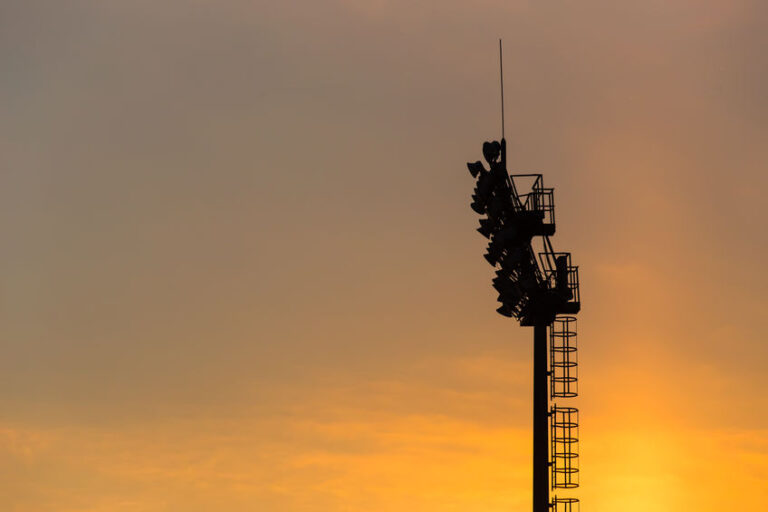
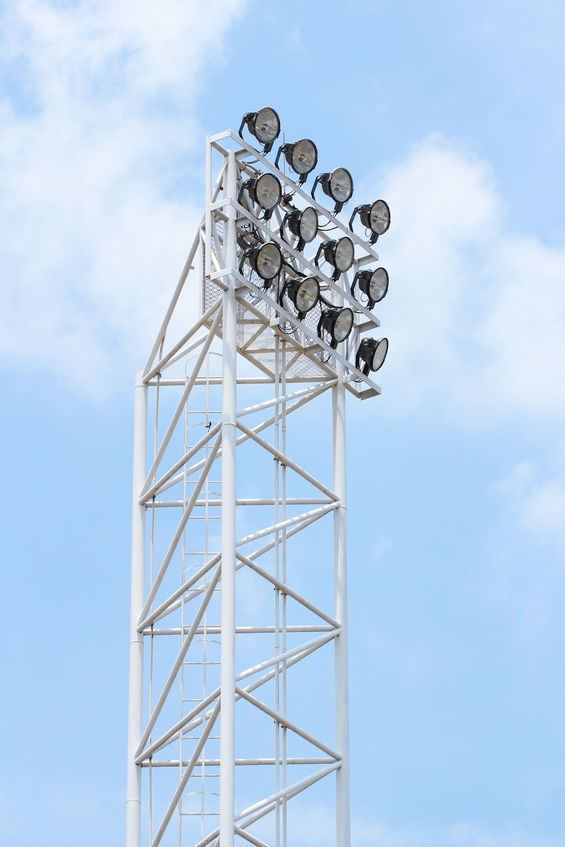
High mast lighting is designed to illuminate very large outdoor areas using tall poles that can reach 60 to 150 feet or more. You commonly see these systems at:

  • Major highway interchanges
  • Large distribution yards
  • Industrial plants
  • Airport facilities
  • Ports and shipping terminals
  • Correctional facilities

Instead of using many short poles, high mast lighting uses fewer poles placed much higher in the air. This approach creates broad, uniform coverage across wide areas.

What Makes High Mast Lighting Different?

  1. Pole Height and Structural Demands

These poles are not ordinary light poles. At 100 feet or more, they must be engineered to handle strong winds, storms, and long-term environmental stress. Foundations must be carefully designed based on soil conditions and wind load calculations.

A standard parking lot pole simply does not face the same structural requirements.

  1. Electrical Distribution and Load Planning

High mast lighting systems often involve higher wattage fixtures and longer conductor runs. Voltage drop becomes a serious consideration. Proper grounding and bonding are critical.

The electrical infrastructure supporting these systems must be designed for reliability, especially in industrial settings where lighting supports safety and operations.

  1. Maintenance Systems

Many high mast poles use a lowering system that allows fixtures to be serviced at ground level. Installing and testing these mechanisms requires precision and experience. If installed incorrectly, maintenance becomes difficult and potentially unsafe.

What Sets Sports Lighting Apart?

Sports lighting takes complexity even further. Athletic facilities demand lighting systems that perform under very specific standards. These systems are commonly installed at:

  • Football stadiums
  • Baseball and softball fields
  • Soccer complexes
  • Tennis courts
  • School athletic facilities

Unlike general outdoor lighting, sports lighting must provide consistent, high-quality illumination across a defined playing surface.

Key Differences in Sports Lighting

  1. Uniform Illumination

Athletes rely on even lighting across the entire field. Uneven brightness creates shadows and visibility problems that can affect performance and safety. Designers carefully aim and position fixtures to ensure consistent coverage.

  1. Glare Control

Glare is one of the biggest challenges in sports lighting. Players looking up to catch a ball cannot be blinded by improperly aimed fixtures. Advanced optics are used to focus light exactly where it is needed while minimizing glare.

  1. Higher Light Levels

Sports fields require much higher illumination levels than standard commercial spaces. If games are televised, lighting standards become even more demanding. These systems must meet strict performance requirements.

  1. Controlling Spill Light

Facilities must also consider surrounding neighborhoods and roadways. Poorly designed systems can spill light into adjacent properties. Proper aiming, shielding, and design planning help prevent this issue.

Environmental Factors in North Alabama

In Huntsville and throughout North Alabama, lighting systems must withstand local weather conditions. Severe storms, strong winds, and summer heat all affect performance and longevity.

Industrial facilities may also deal with vibration, dust, or corrosive environments. Choosing fixtures and materials suited for these conditions is essential for long-term reliability.

Power Infrastructure Considerations

High mast and sports lighting systems often tie into larger electrical systems within a facility. This can involve dedicated transformers, high voltage feeds, and surge protection.

Safety is always a priority. Proper arc flash analysis, grounding, and code compliance are critical during installation. These are not small-scale electrical jobs. They require a contractor who understands heavy duty commercial and industrial power systems.

The Role of Modern LED Technology

Today’s high mast and sports lighting systems typically rely on LED technology. Compared to older metal halide systems, LEDs provide:

  • Better energy efficiency
  • Instant on capability
  • Reduced maintenance
  • Improved light control
  • Longer lifespan

However, upgrading from older systems is not always simple. Electrical capacity, mounting hardware, and aiming angles must all be reviewed before retrofitting.

Coordination on Large Projects

High mast and sports lighting installations are usually part of larger construction or renovation projects. They may involve civil work, underground conduit installation, structural coordination, and tight construction schedules.

Close communication with general contractors, engineers, and project managers is essential. Proper planning prevents delays and costly adjustments later in the project.

Why Experience Makes the Difference

Installing tall poles and bright fixtures might sound straightforward, but these systems involve:

  • Structural awareness
  • Detailed load calculations
  • Code compliance expertise
  • Precision aiming and testing
  • Strong safety practices

Choosing an experienced commercial and industrial electrical contractor ensures that every component is installed correctly and built to last.

For facilities across North Alabama and Southern Middle Tennessee, high mast and sports lighting are long term investments in safety, visibility, and operational efficiency. When designed and installed properly, they provide reliable performance for decades.

If your project involves large scale outdoor lighting, partnering with a team that understands the technical and practical differences between standard commercial lighting and specialized systems will make all the difference. Contact Stewart Electric Company, Inc. at 256.536.4375 today or visit us online for more information!

High-Mast Lighting: A Bright Solution for Industrial and Commercial Properties

When it comes to illuminating large spaces, high-mast lighting is the gold standard. From industrial yards to commercial parking lots, this specialized lighting solution provides the visibility and safety required for optimal functionality. In this article, we’ll dive into the applications, benefits, and reasons why high-mast lighting is a smart investment for your property.

What Is High-Mast Lighting?

High-mast lighting refers to lighting systems mounted on tall poles, often ranging from 40 to 150 feet in height. These poles support multiple light fixtures, strategically placed to deliver bright, uniform illumination across expansive areas. Their elevated design makes them ideal for sites where broad coverage is a necessity.

Where Is High-Mast Lighting Used?

High-mast lighting is the go-to choice for locations requiring reliable and comprehensive illumination, including:

  • Industrial Facilities: Loading docks, production yards, and storage areas need dependable lighting to ensure safety and productivity during evening hours.
  • Commercial Parking Lots: Large parking lots benefit from the expansive reach of high-mast lighting, which helps deter theft and enhances customer and employee safety.
  • Airports and Runways: For airports, clear visibility is crucial. High-mast lighting ensures safe operations, even in challenging weather conditions.
  • Sports Venues: Stadiums and arenas depend on high-mast systems to evenly light playing fields and seating areas, creating an enjoyable experience for fans and players alike.
  • Roadways and Intersections: Highways and major intersections utilize high-mast lighting to improve visibility for drivers, reducing accidents and increasing traffic flow.
  • Ports and Shipping Yards: The large-scale operations at ports require powerful lighting to maintain security and operational efficiency after dark.

The Benefits of High-Mast Lighting

The elevated position of high-mast lights provides even and widespread illumination, reducing shadows and dark spots that can pose safety risks. Modern high-mast lighting systems, particularly LED-based ones, use significantly less energy while delivering excellent brightness and performance. High-mast lights are built to last. Their durable construction withstands extreme weather conditions, ensuring long-term reliability with minimal maintenance.

Why Partner with Stewart Electric?

At Stewart Electric, we bring decades of expertise in industrial and commercial electrical systems, including high-mast lighting installations. Our team understands the unique requirements of large-scale lighting projects and works closely with clients to deliver customized solutions that balance performance, efficiency, and cost.

Contact Stewart Electric today at 256.536.4375 to learn more about our lighting services and how we can enhance safety, efficiency, and visibility for your industrial or commercial site. Let us help you shine brighter!

Stewart Electric Company, Inc. is proud to be a member of instrumental industrial associations:

Location

1009 A Cleaner Way
Huntsville, AL 35805

Mail

PO Box 14485
Huntsville, AL 35815

Get in Touch

© Stewart Electric Company, Inc